Develop a bag collection your team can cost, sample, and approve
Start with a reference image, tech pack, or physical sample for handbags, totes, crossbody bags, shoulder bags, or wallets. We help turn it into a coordinated brief covering materials, construction, branding, packaging, and the checks required before bulk production.

Plan the Collection
Choose the formats that earn a place in your first range
Compare product roles, use cases, capacity, price position, and development effort before committing budget to samples.
 7 styles
 Develop Crossbody Bags Around Carry, Access, and Everyday Use
Develop crossbody bags for commuting, travel, and everyday use with specified capacity, closures, pocket layouts, and strap construction.
Learn more 5 styles
 Build a Handbag Range Around Structure, Materials, and Retail Position
Develop structured or soft handbags with specified leather or PU synthetic leather, hardware, internal organization, branding, and packaging.
Learn more 1 style
 Develop Shoulder Bags for the Intended Load, Carry, and Market
Develop shoulder bags in specified animal leather, PU synthetic leather, canvas, or nylon, with the strap, opening, internal layout, and reinforcement defined for the intended use.
Learn more 3 styles
 Define Tote Bags by Load, Handle Construction, and Decoration
Develop tote bags in canvas, woven fabrics, or PU synthetic leather, with capacity, handle construction, decoration, and branding defined in the product requirements.
Learn more 7 styles
 Develop Wallets Around Capacity, Leather, and Edge Finish
Develop bifolds, card holders, and compact wallet formats around a specified leather finish, internal layout, edge treatment, and brand presentation.
Learn moreUse a reference format to make the first decisions faster
These products are visual starting points, not fixed specifications. Use them to discuss shape, carry, material direction, branding, and packaging for your market.


Move from an incomplete idea to an order your team can release
Each stage closes a defined set of decisions, so cost, samples, and bulk production are based on the same brief.
Send the brief as it exists today
Share the end use, range, quantity, material direction, branding, target price, and required date. We will separate known requirements from the decisions still needed for useful costing.
Test the product before committing
Translate references or tech packs into a sample that verifies shape, dimensions, reinforcement, stitching, function, and logo placement.
Lock the cost and appearance drivers
Confirm fabric, lining, colors, zippers, webbing, hardware, labels, and packaging against the approved sample and specification.
Keep bulk production aligned
Use in-process checks and final inspection to compare the order with agreed tolerances, inspection level, and defect limits.
Release the order with confidence
Review packing and inspection evidence before shipment, then coordinate the required export documents and dispatch timing.
Material Planning
Choose materials your product and price point can support
Compare leather, PU synthetic leather, canvas, nylon, and recycled-content options by structure, hand-feel, cost drivers, care, and documentation.
Canvas
A woven fabric available in different fibre compositions and weights for tote bags, shopping bags, and casual shoulder bags.
Learn moreAnimal Leather
Animal leather specified by species, layer, grade, thickness, temper, grain, and finish for handbags and wallets.
Learn moreNylon
Nylon options specified by denier, weave, coating, lining, reinforcement, and target performance for sport, casual, and travel bags.
Learn morePU Synthetic Leather
A configurable synthetic material whose backing, coating, thickness, texture, and performance requirements should be matched to the product life and target cost.
Learn morePrepare a Better Brief
Resolve the questions that make quotations comparable
Use the guides to define materials, quantity, sample stages, cost drivers, quality criteria, and the dates your launch depends on.
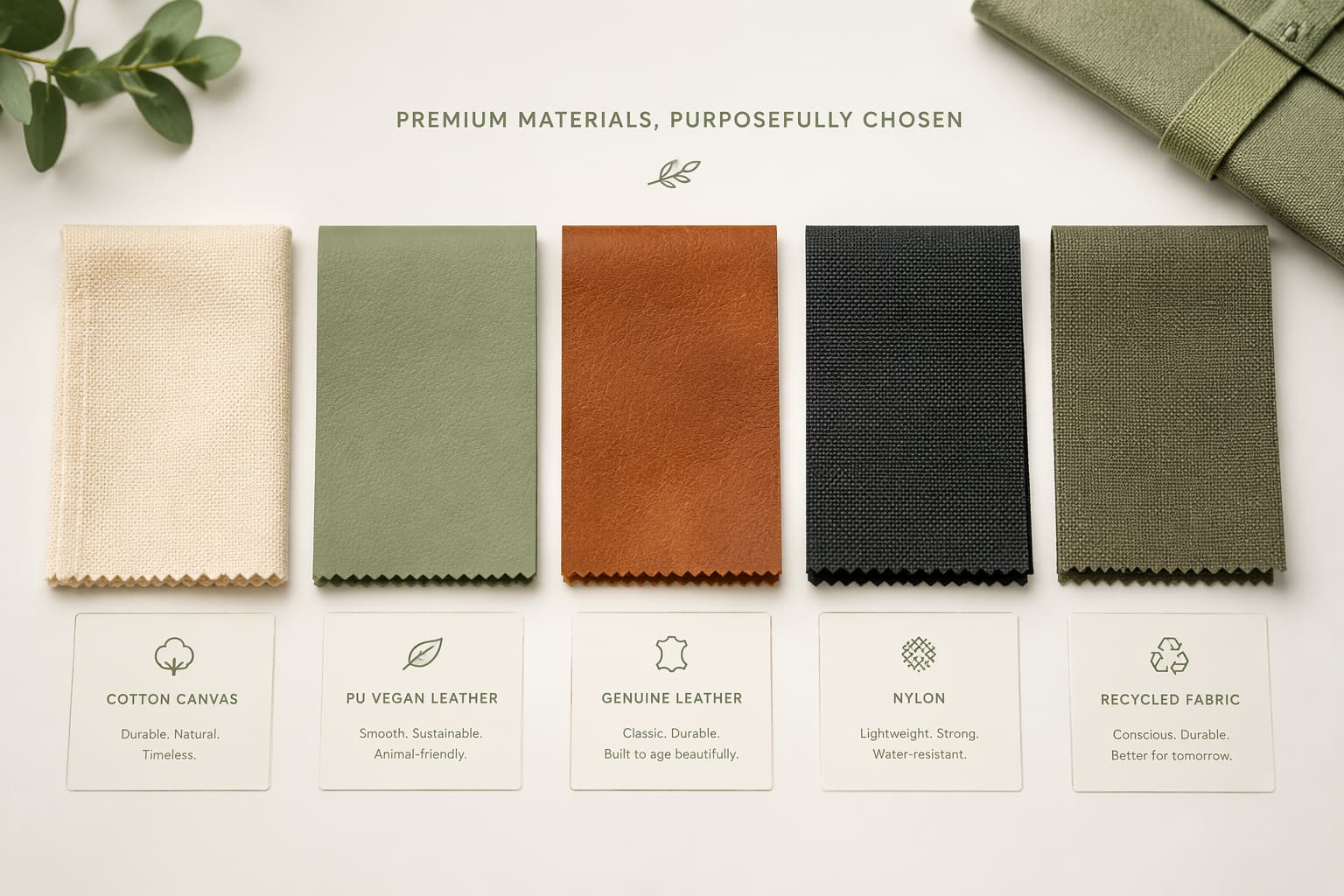
Choosing Bag Materials: Canvas, PU Synthetic Leather, Animal Leather, Nylon & Recycled Fabrics
A side-by-side guide to the most common bag materials — how they look, how they wear, what they cost, and which end uses each one is best suited for.
Read guide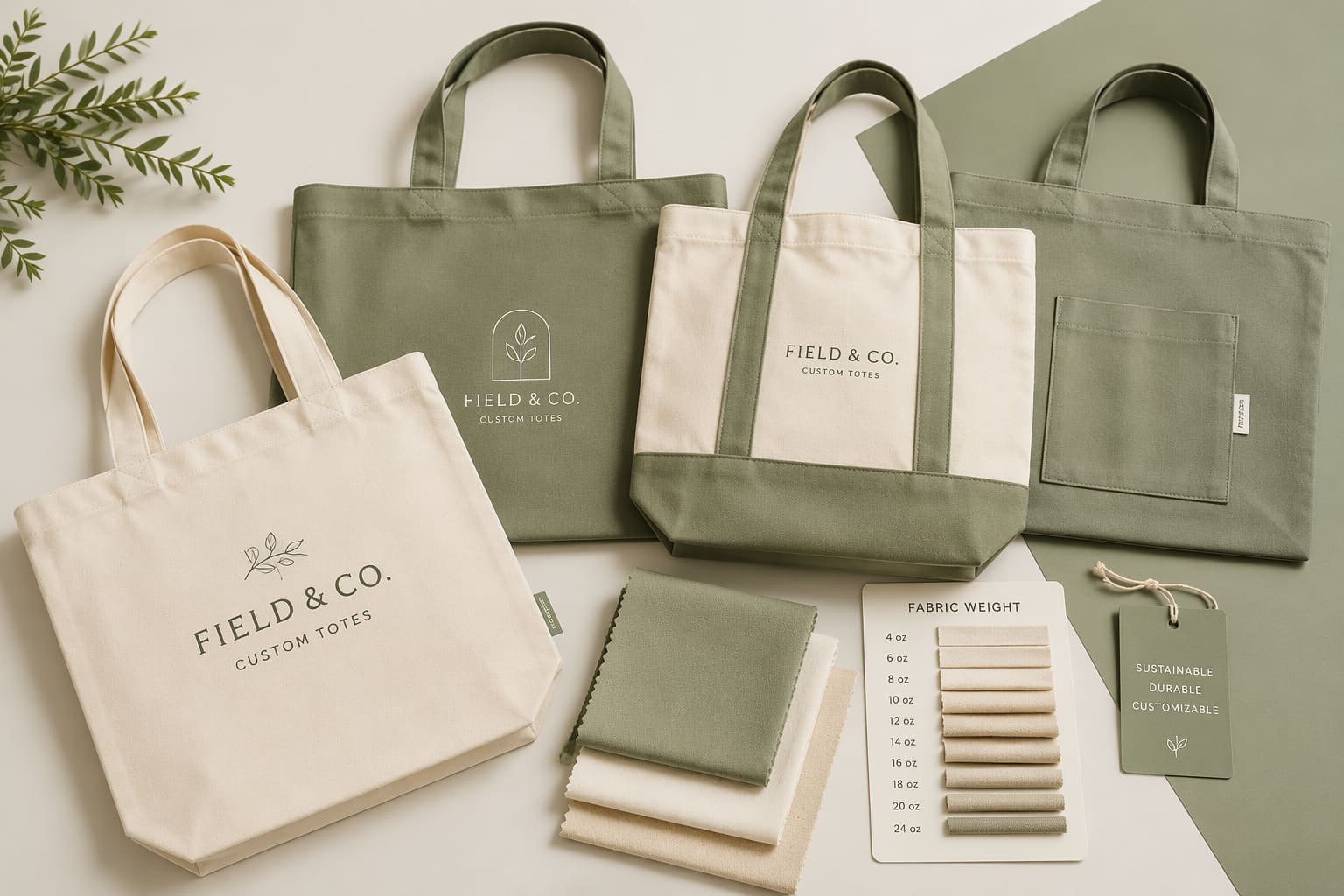
How to Source Custom Tote Bags: A Buyer's Guide for Brands
A practical, step-by-step guide to sourcing custom tote bags from manufacturers — covering material choice, MOQ, sampling, pricing, quality control, and lead times.
Read guideDocument Review
Order documents for custom bag programs
Documents must match the selected material, supplier, order, and destination market. Check the issuer, report number, coverage, and validity before production.
Quality inspection plan
AQL level, defect limits, checkpoints, and report format agreed per order
Restricted-substance testing
REACH, Prop 65, or destination-specific tests scoped to selected materials
Material claim documents
GRS, GOTS, or OEKO-TEX evidence checked where a product claim requires it
Social audit review
Requested audit type, facility scope, report date, and validity confirmed before order
Packaging chain of custody
FSC supplier and document scope checked when certified packaging is specified
Shipment evidence pack
Approved sample, inspection, packing, and export records matched to the order
Questions to resolve before you invest in sampling
Straight answers on minimums, timing, customization, documentation, and commercial terms.
What is your minimum order quantity (MOQ)?
MOQ depends on the product, material, color count, custom components, branding process, and packaging. Share your target quantity and specification so we can confirm the applicable minimum.
Can I get samples before placing a bulk order?
Yes. We first select the sample stage that fits the maturity of your specification. A development sample may validate structure and appearance; a pre-production sample uses planned bulk materials and processes before production. Fees, revision rounds, timing, and any order credit are agreed before work begins.
What is your production lead time?
Timing depends on material availability, construction, sample revisions, quantity, packaging, and the requested delivery date. We provide a written schedule once the specification is clear.
Do you offer full OEM/ODM customization?
Yes. We handle everything from your finished designs (OEM) to co-developing new styles from a concept or reference (ODM), including materials, hardware, logos, linings, and custom packaging.
What compliance documents can you provide?
We can coordinate market-specific testing and provide the current material or order documentation available for the selected specification. Confirm the required documents before production.
What are your payment terms and shipping options?
Payment terms, Incoterms, and shipping method are confirmed in the quotation or sales contract. Sea, air, and express options can be reviewed against the order size and delivery date.
Have a bag idea but not a finished tech pack?
Send the reference, intended use, target quantity, market, price position, and required date. We will review project fit and tell you what is needed for the next useful sample or quotation.
Get a Custom Quote